
Most publishers work with ad networks to fund their websites, and using SEO-optimized web templates can help create a better foundation for attracting organic traffic. This is key information in the article. Boost your blog’s monthly income with smart strategies and the right ad services to improve your online business.
CPM advertising lets publishers earn money from ad views on their websites. This approach helps them monetize traffic without depending only on user clicks. Most ad networks don’t pay publishers for the potential of their blogs. Everyone must choose the best ad networks that offer enough money if they want to earn more.
The market for native advertising is booming, and there are plenty of sharks there. Top native ad networks let businesses use precise targeting options to stand out and support social media lead generation efforts. Native ads look like regular content and blend in well, making it important for publishers to follow current web design trends and maintain a consistent user experience. They blend in well and make visitors feel like they’re reading real articles.
They have a higher click-through rate (CTR) and lower cost per click (CPC). Also, they show better conversion rates. They can boost the publisher’s trust by showing up on reliable sites like Forbes and CNN. The admission threshold is lower than Facebook’s, Google AdWords’, and other ad networks. This makes acceptance simpler.
1. AdStyle
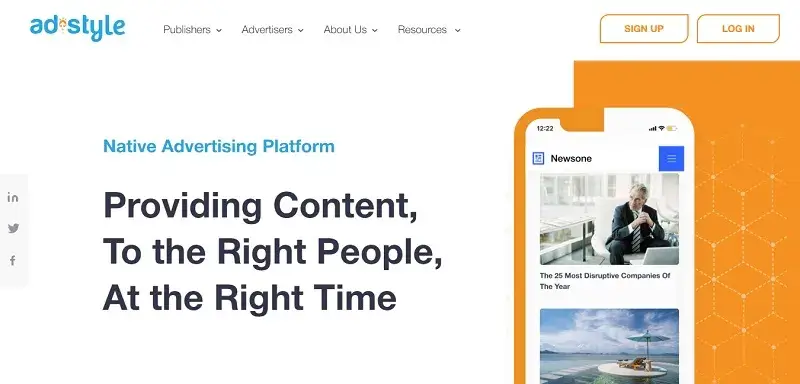
AdStyle uses machine learning and data mining. This content recommendation network provides a high return on investment. It helps publishers show ads that will get the most clicks based on the readers’ traits.
It also provides relevant information to users everywhere and uses audience insights through social listening to better understand what users are interested in. A smart group started AdStyle in Boca Raton, Florida, in 2015. Since then, it has grown into one of the top digital marketing companies worldwide.
- AdStyle is a self-service platform. It gives personalized suggestions. These are based on user demographics, pages viewed before, and the time of day. It also has features like “dynamic distribution” and “smart labeling” that attract advertisers.
- If you want to boost your return on investment, check out AdStyle. It’s a great option to explore. Start using AdStyle right away to discover the potential advantages for your business.
2. Media.net

Media.net is a platform for contextual advertising. It offers publishers display and native ad solutions.
Media.net supports desktop interstitial ads, mobile-docked ads, and in-content native ads. It features both national and local advertisers. Forbes, Reuters, Elle, Cosmopolitan, Esquire, and other publications are among Media.Net’s publishers. The network supports a range of standard display ad formats and sizes for publishers.
3. Adpushup
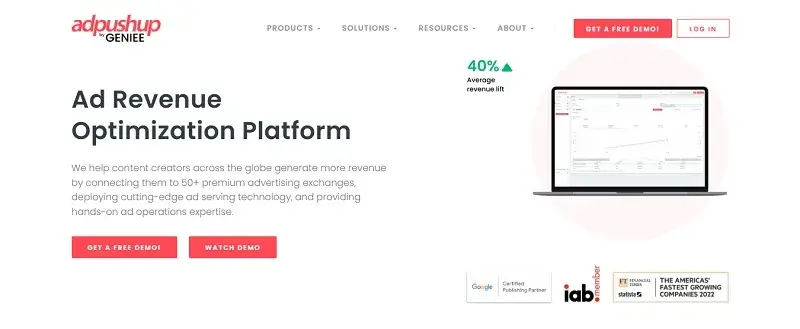
AdPushup is a hybrid ad network with advanced tools to boost income. It offers:
- Header bidding
- Creative ad formats
- Ad mediation
- Adblock recovery
- AMP conversion
These features help advertisers earn more effectively.
The top ad networks and exchanges partner with it. The ad operations team oversees these partnerships.
AdPushup offers ad optimization solutions. These help publishers boost monetization, enhance ad performance, and improve user experience. Publishers can also use WordPress image optimization plugins to improve page performance without compromising the user experience.
4. Double-Click Ad Exchange

Google Ad Exchange (AdX) is a programmatic ad marketplace. It lets eligible publishers sell their digital ad space to buyers. Google Ad Exchange links qualified publishers to many advertisers and programmatic demand sources.
- It’s mainly for publishers. Dynamic allocation simplifies setup and ensures the highest pay-per-impression.
- You can easily buy high-quality mobile sites, videos, mobile apps, and desktop inventory. Use the DoubleClick Ad Exchange to connect with publishers around the world.
You can access the following for free:
- Private exchanges
- Open exchange trades
- Programmatic direct
- Fraud prevention
Ad inventory quality relies on industry standards. These practices aim for transparency, quality, and responsible digital advertising. To make it simpler for you to locate the inventory you need, a query tool is available.
5. Infolinks

The Infolinks ad network has four types of ads: in-text, search, in-frame, and tag. It is a CPM ad network based on in-text links. It partners with top advertisers like Facebook, Microsoft, Amazon, and eBay. Every day, it helps over 200,000 publishers in 130 countries earn high monthly revenue.
There are no setup fees, and you don’t need many page views or visitors. It’s simple to add to your website and open to all publishers. Infolinks doesn’t need a banner space, so users can add AdSense or other banners to boost site revenue.
6. Yahooinc.com
AOL Advertising calls its technology, data, and analytics division Yahooinc.com. According to Score, over 70% of the Top 100 ad-supported websites link to it. It also includes a publisher network that spans more than 30 content areas. This network generates about 2 billion ad impressions daily.
The main reason to choose Yahooinc.com is its relevant ads. These ads fit your website and appeal to readers. They also provide CPM rates. Advertisers organize ads by sector, media, and category. They provide several display ad formats, videos, mobile advertisements, and customized implementation.
7. Google AdSense
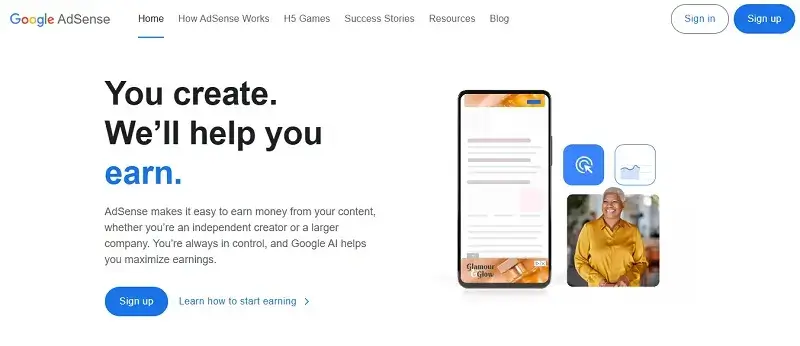
The biggest and most effective advertising network in the world is Google AdSense. It offers top ad performance for foreign visitors. This fills small publishers’ slots nearly to capacity. You can easily get accepted for an AdSense account. You need to follow its policies and webmaster quality guidelines.
Publishers can block ads they don’t want. They can also decide where ads appear. Plus, they can change how text ads look to fit their website. Publishers can use AdSense Experiments to compare two ad settings. This helps them find out which setting performs better.
Frequently Asked Questions: Native Ads Platforms
1. What are the best ad networks for publishers?
The best native ad platforms depend on traffic, location, content type, and niche. Some well-known networks include Google AdSense, Media.net, Ezoic, and Monumetric. There are also other niche options. Publishers should think about several factors before choosing ad networks. These include CPM rates, payments, approval criteria, ad quality, and analytics, among others.
2. What is a CPM ad network?
A CPM advertising network helps publishers earn money from ad views on their sites. CPM stands for “cost per mille,” where mille implies cost per 1,000 impressions. It’s a great option for busy websites. You can earn money even without clicks on ads.
3. What Is Native Advertising?
Native advertising platforms are online marketing tools. They create ads that match the look and feel of the websites where they show up. Advertisers generally present native advertisements as recommended articles, sponsored stories, or related posts. Native ads have an organic look on the website. This means they disrupt visitors less.
4. How do ad networks make money for publishers?
Ad networks connect publishers with advertisers. They also place ads on websites. When the ad gets an impression, a click, or a conversion, the advertiser pays the network. In turn, the ad network takes a share of the revenue earned and pays the publisher.
5. How much can a publisher earn from an ad network?
Publisher earnings can vary a lot.
This depends on several factors:
- Traffic
- Niches
- Visitor countries
- Ad types
- User engagement
Publishers with high-quality traffic from the USA, Canada, and the UK will earn higher ad rates. There is no fixed earning system, and hence publishers need to optimize their ads.
6. What is the difference between CPM, CPC, and CPA advertising?
CPM advertising means you pay for each ad impression. It’s usually priced per thousand impressions. CPC advertising works by paying only after someone clicks on the ad. CPA advertising pays you only after the visitor takes a desired action.
7. Do native ads pay more than display ads?
Native ads can sometimes earn more than regular banner ads, but there’s no guarantee.
Income depends on several factors:
- The number of advertisers wanting ad space
- The website’s niche
- Its audience
- Traffic levels
8. Can I use native ads and Google AdSense together?
Native ads and Google AdSense can work together on the same site. This is possible if you follow all advertising network rules and Google’s policies. Publishers should also avoid common email marketing mistakes when using email campaigns to drive traffic and engagement alongside website advertising. Ad placement matters to prevent user dissatisfaction or policy violations.
9. Which ad network is best for a new website?
The best ad network for your new website relies on three key factors:
- Content
- Target audience
- Traffic volume
For new publishers, Google AdSense is a popular choice. However, other ad networks can also suit low-traffic websites.
10. Do ad networks require a small amount of traffic?
Some ad networks require publishers to reach a traffic threshold for acceptance. Other networks have few or no traffic requirements. For premium ad networks, high traffic is one of the main requirements. A publisher needs to know the traffic needed for the network they want to join.
11. How do I choose the right ad network for my website?
Choose the best native ads network for your site. Consider using SEO tools alongside your monetization strategies to understand your traffic, audience, and website performance..
Consider these factors:
- CPM/CPC revenue
- Payment system
- Small payment threshold
- Ad types
- Reporting systems
- Approval process
- Customer support
12. Are native ads good for website monetization?
Yes, you can effectively monetize a website with native advertising if you do it in the right manner. This is because the ads will fit into the website content and may make the visitors engage with the ads. Native advertising may be highly effective for bloggers, news websites, and content websites, especially when supported by good UI and good UX.
13. What should publishers consider before joining an ad network?
A publisher should check several things before joining an ad network. They need to verify the payment terms and revenue sharing. It’s also important to look at small payments, traffic conditions, and advertisement formats. Additionally, they should review the content policy and the quality of advertisers. The publisher also needs to review the reporting facilities and support provided. The publisher needs to understand their contract. They should avoid ad networks that have questionable practices.
14. What is the difference between an ad network and an ad exchange?
An ad network gathers ads from publishers. It then sells these ads to advertisers. This usually follows set targeting and pricing options. An ad exchange is an online platform. Publishers and advertisers use it to trade ad impressions. This usually happens through real-time bidding. Both support the monetization of website traffic by publishers.
15. What are the most important ad metrics publishers should track?
The main metrics for ad performance are:
- CPM
- CPC
- CTR
- RPM
- Impressions
- Viewability
- Fill Rate
- Total Revenue
These metrics allow publishers to track the performance of their advertisements. Constantly monitoring these metrics helps find the best ad placements and formats. This way, you can boost performance without hurting the user experience.
16. How can I increase ad revenue from my website?
Publishers can also focus on image optimization to improve page loading speed and create a better user experience, which can support stronger website performance.
- Increasing website traffic
- Reaching the right audience
- Testing ad placements
- Choosing effective ad formats
- Speeding up page loading times
It is also possible to experiment with different ad sizes and placements. Besides, publishers should be careful about ads on their websites.
17. Which ad network has the highest CPM?
No ad network guarantees the largest CPM rate to all publishers. CPM rates depend on many factors. These include niche, geography, seasonality, advertiser demand, device, and website quality. Choose your ad network based on real RPM/CPM results, not promised earnings.
18. Are ad networks safe for publishers?
Most advertising networks provide real ways to earn money from web traffic. However, publishers should check out the network before joining. This includes reputation, payment records, policies, advertiser quality, and feedback from other publishers. Avoid networks promising unreal profits or asking for excessive personal information.
Conclusion: Native Ads Platforms
Native advertising is the future. So, choose your network wisely. This list highlights top native ad networks. They offer marketers creative ways to monetize their content. It often offers the best return when placed next to banner ads.